The 8 seasons of Inari
Lapland is often described as the land of 8 seasons. In the north we live in firm connection with the nature and also the changing seasons bring remarkable changes also into people’s daily routines. Our traditional culture is affected by chores that change according to changing seasons.
JANUARY the End of the Polar Night
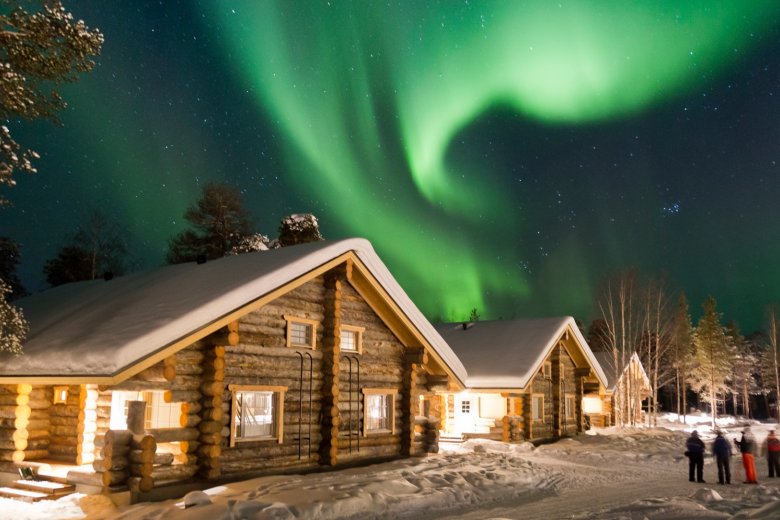
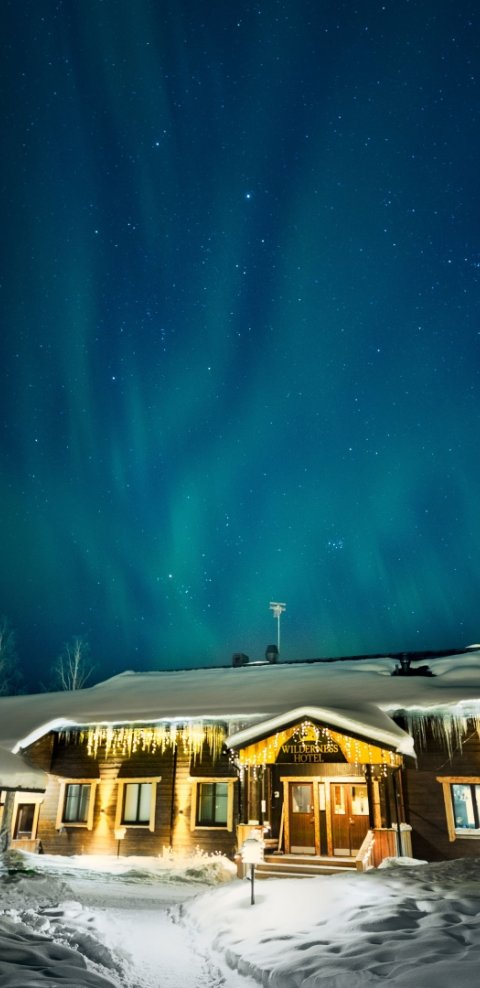
Right after the New Year we in Inari begin the wait for the sun. If you ask anyone for the date when Kaamos, the Polar night begins, they will not know. As for the date for the first sunrise, the day is much anticipated. January is the time for Aurora Borealis and at times extreme cold temperatures. At the end of the month Kaamos, the Polar Night, is officially over and Skábmagovat festival gathers film enthusiastics to Inari from across the North.
HEART OF THE WINTER and Glistening Sunshine
The day gets longer at an incredible speed. The biggest variety of programmes is available during February-April as the weekly programme is in effect. As the sun climbs higher every day, the night freezes a crust on the snow. The river starts to melt and a skier can stop and listen to the waters gentle jingling and maybe follow the dipper’s plunges into the rapids. In Inari this is the best time of the year for a suntan! Gradually the snow softens, but the ice remains hard and the best ice-fishing season starts.
BARREN NATURE and the Gentle Awakening
May in Inari is the time in-between. The snow is mostly gone but the lakes stay frozen usually until the end of May. The nature is barren and the first green doesn’t come out until in June. The sun shines through the night and soon people catch up with the activity of wildlife. For bird watchers this is the best season.
MIDSUMMER and No One sleeps
During summer the village bustles with action – the cruise boat sails between the harbour and Äijih island carrying waving visitors on its deck, water air planes take off and land, red river rafts land after running through the white water and it may be difficult to find a parking space outside Siida. Yet you can find peace and quiet on the walking paths or even on a canoe trek on vast rugged Lake Inari. The scenes of the Arctic Ocean are only a few hours’ drive away.
NATURE’S REWARDS Harvesting the Woods and the Waters
In August the sun sets and the rewards of northern white nights ripen in the forests. After golden cloudberry and inky bilberry ripens the crimson lingonberry. Mushrooms push through the moss. The river is harvested when Lake Inari red trout starts its legendary journey up the rapids to breed. Fishing lines whisk back and forth in the air and every now and then a grinning fisher climbs up the river bank with a handsome catch.
INTENSITY OF AUTUMN
As the summer is irreversibly over, the nature puts together its last impressive display as the colours change. Clear and brisk days drive people out to enjoy the nature. The rambler heads to Otsamo fjell, where the intensive mountainside colours are bright enough to be seen all the way from the village.
THE SOUL RESTS
Gradually our surrounding nature withdraws in anticipation for the winter. The scenery is bare but beautiful. It is time to relax after the intensity of the summer and enjoy the last rays of sunshine. As the nature changes with the white blanket of first snow, people too can renew themselves and enjoy the retreat. No wonder that this is the time for creativity and plans for the future. October and November is also the time for the new season’s first fantastic Aurora Borealis displays.
CHRISTMAS OF PAST AND THE MAGIC OF NEW YEAR
The Christmas season starts traditionally with local Christmas parties. As the holidays get nearer, travelers from different parts of Europe gather to be a part of Christmas past. Our festive season consists of local traditions, peaceful and non-commercial atmosphere and unforgettable moments around the dinner table. In Inari we celebrate New Year with a theme of magic that is formed in the surrounding magical nature.